Bluffing can make or break your card game strategy. It’s all about the confidence you project and the story you tell with your bets. When you master bluffing, you keep your opponents guessing and add another layer of excitement to your gameplay.
One of the best bluffing tips for card games is to know your players. Pay attention to their behaviors and betting patterns. If you know someone tends to fold at the hint of a strong bet, you can play into that and make bold moves to scare them off. Timing plays a big role too. Bluffing too often can make you predictable, but bluffing at the right moment can lead to big wins.
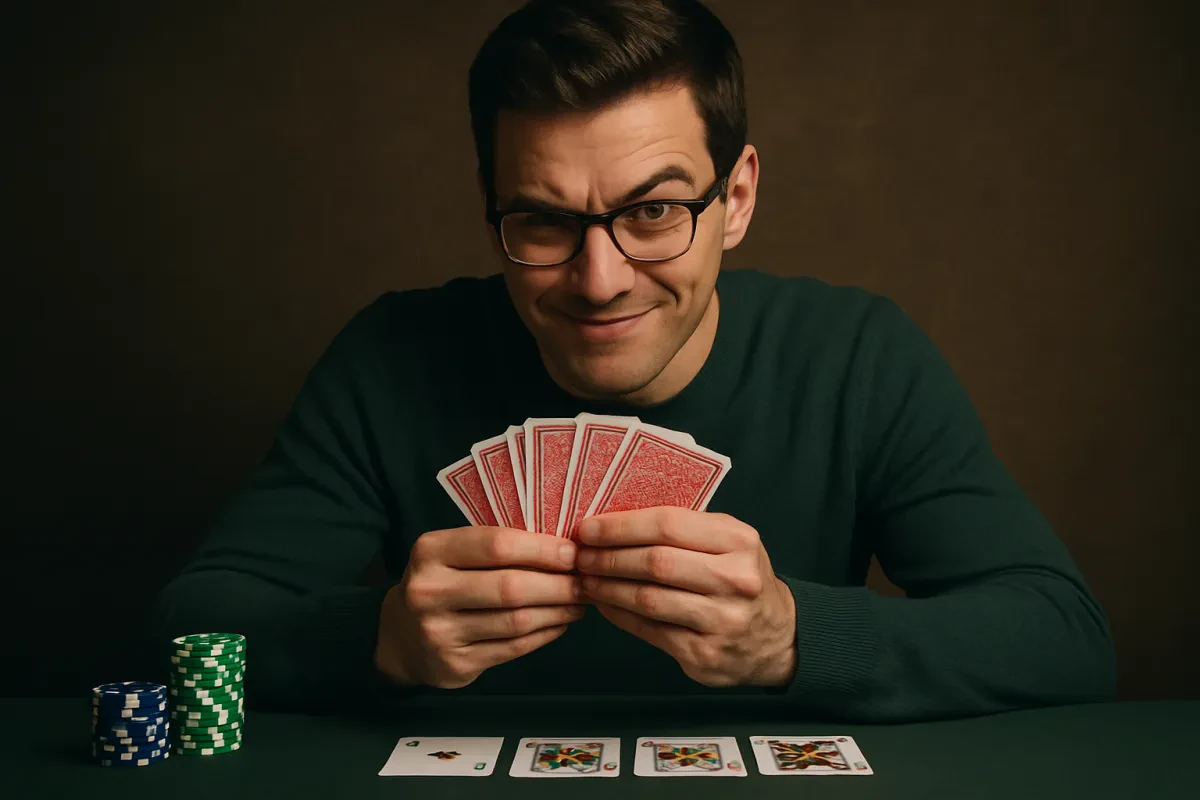
Another effective technique is to maintain a consistent demeanor. If you’re playing casually with friends, keep your poker face neutral. Avoid giving away clues through body language or facial expressions. The goal is to look calm and collected, even if your heart’s racing. This way, your bluffs will come off as genuine, and your friends might just buy it!
Lastly, don’t forget about the power of storytelling. When you make a bluff, communicate it through your gameplay. Bet aggressively if you’re trying to sell a strong hand. Make your opponents feel like they need to think twice about calling you. A good story can turn the tables in your favor.
Recognize When to Bluff
Recognizing when to bluff can make all the difference in card games. It’s all about reading the room and knowing when to take a chance. If you sense that your opponents are uncertain or hesitant, that’s your cue! A well-timed bluff can catch them off guard and give you the upper hand.
Watch their behavior closely. Are they acting nervous or overconfident? Sometimes, a confident player is just trying to mask their shaky hand. If you pick up on that, it might be the perfect moment to lay down a bluff. Trust your instincts and don’t be afraid to take that leap—just make sure you’re not bluffing too often or you’ll lose your credibility.
Also, consider the context. If the stakes are high and everyone’s invested, it’s riskier to bluff. But if it’s a casual game, you might be able to pull it off without raising too many eyebrows. Tailor your bluffs to fit the game and the players; that’s one of the best bluffing tips for card games.
Lastly, remember to mix it up. If you bluff too often, your opponents will catch on. Keep them guessing! A good poker face and some variation in your strategy can help keep your bluffs effective. With these strategies, you’ll be ready to put your bluffing skills to the test and keep your friends on their toes.

3000 Fun "Would You Rather" Questions for Everyone
Get ready for endless laughter and conversation with these entertaining questions for every occasion
Product information
$7.99
Product Review Score
4.32 out of 5 stars
73 reviewsProduct links
Read Your Opponents Well
Reading your opponents is a key skill in mastering the art of bluffing. You can have the best poker face in the room, but if you can’t pick up on the tells of those around you, your efforts might fall flat. Watch for body language, facial expressions, and even how they handle their cards. Are they fidgety or unusually calm? These clues can give you insights into whether they’re holding strong hands or just playing a bluff.
Pay attention to betting patterns. If someone suddenly increases their bet significantly, it could mean they’ve got a great hand or they’re trying to pull a fast one. This is where your poker face comes into play. Don’t react too strongly to their bets; instead, stay cool and assess the situation. This helps you keep your own bluffing game strong. If you seem unfazed, it makes your opponents think twice about their next move.
Remember, bluffing is as much about confidence as it is about deception. If you can convince your opponents that you have a winning hand just by projecting confidence, you’re halfway there. Practice your act! Whether you’re pretending to be thrilled about your hand or downplaying a dreadful one, the more comfortable you are in your role, the better your bluff will land.
Lastly, don’t forget to switch things up. If you always play a certain way, savvy opponents will pick up on it. Mix your tactics and keep your opponents guessing. This is where reading others comes full circle; the better you know their play styles, the more effectively you can bait them into your bluffs. So, dive into these bluffing tips for card games, and master the mental game!

Master No-Limit Hold'em: 100 Essential Tips
Unlock your poker potential with easy-to-follow strategies for every game
Product information
$29.95 $20.71
Product Review Score
4.13 out of 5 stars
162 reviewsProduct links
Practice Makes Perfect Bluffing
When it comes to mastering the art of bluffing, practice really does make perfect. Think of bluffing as its own skill set that you can develop over time, just like shuffling a deck or knowing the rules. The best way to get comfortable with it is to jump into games with friends or family. Test out different strategies, see how others react, and learn to read the room.
Start small. Bluffing these days feels a little like walking a tightrope—you want to find the right balance. If you bluff too often, people will catch on. If you never bluff, you’re missing out on opportunities to win. Use your practice sessions to figure out what feels right for you. Maybe try bluffing just once or twice each game and pay attention to how well it works.
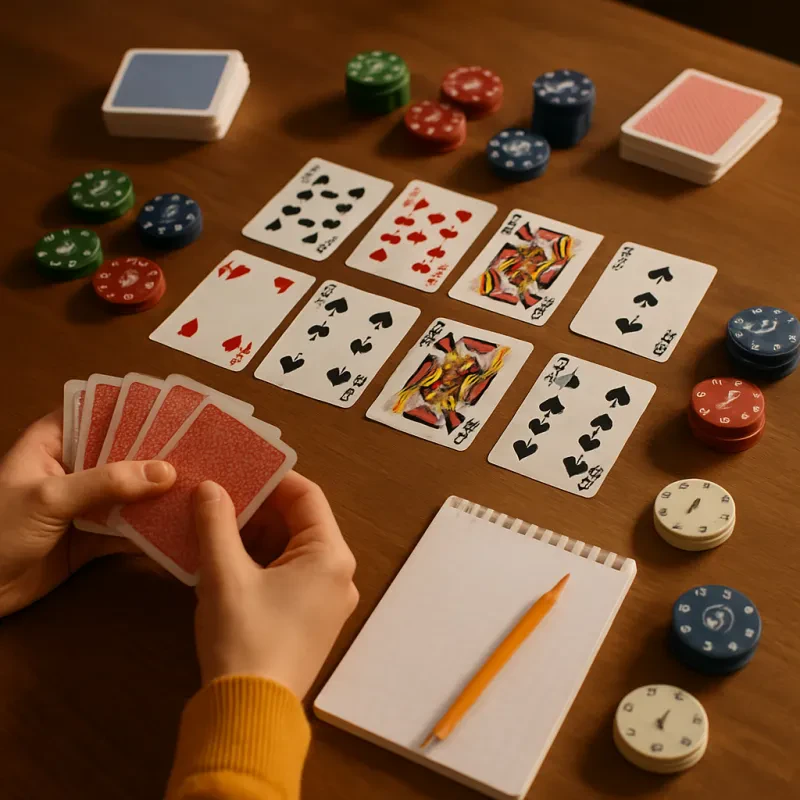
Another great tip? Pay attention to other players. Watching how they respond to your bluffs can give you valuable insight into what works. Take notes mentally or even jot them down if you're playing at home. These are some of the best bluffing tips for card games because understanding others' tells can help you develop your own style.
Lastly, don't forget to refine your tells. If you're bluffing, you shouldn't give away your hand with nervous habits. Practice presenting a calm face even when you're bluffing big. The more comfortable you get, the easier it’ll be to pull off those convincing bluffs. Make it fun; experiment and enjoy the process of becoming a better player!